


Understanding How Laptop Repair Service Processes Generally Work
When electronic devices such as laptops or desktops experience technical issues, they are often handled through structured service workflows. These workflows vary depending on the service provider, but generally follow a systematic approach to ensure proper evaluation and handling of the device.
This article provides a general overview of how typical electronic device service processes are organized in the industry.
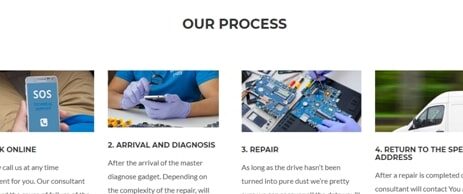
Step 1: Receiving the Device for Evaluation
In many service environments, the first step involves receiving the device for initial observation. During this stage, basic details about the device condition and reported issues are recorded for reference.
This helps create an understanding of the problem description before deeper analysis.
Step 2: Initial Assessment
After receiving the device, an initial assessment is generally performed. This may involve:
- observing device behavior
- checking system response
- identifying visible or reported issues
The purpose of this step is to understand the possible cause category of the issue.
Step 3: Detailed Technical Analysis
If required, a more detailed technical evaluation may be conducted. This step may include inspection of:
- hardware components
- software environment
- system logs or performance behavior
The depth of analysis depends on the nature of the reported issue.
Step 4: Identification of Required Actions
Based on the evaluation, possible actions are identified. These may vary widely depending on the device condition and type of issue.
At this stage, the focus is on determining what kind of intervention may be required to address the observed problem.
Step 5: Processing and Handling
Once the issue is understood, the device may go through appropriate handling procedures depending on the situation. These processes differ based on:
- device type
- severity of issue
- availability of components (if applicable)
This step is part of structured technical handling workflows.
Step 6: Quality and Functionality Check
After processing, devices are generally reviewed to observe whether they function as expected. This may include:
- basic functionality checks
- system stability observation
- performance verification
The purpose is to ensure the device behaves consistently after handling.
Step 7: Return and Completion
Once the evaluation and processing cycle is completed, the device is returned to the user through the applicable delivery method used in the service system.
Key Takeaway
Laptop repair workflows in the electronics industry typically follow a structured sequence that includes evaluation, analysis, processing, and final review. These steps help ensure systematic handling of devices based on their condition and reported issues.